The microbiome — what we actually know
The human gut microbiome contains trillions of bacterial cells across roughly 500–1000 species in a healthy adult. The field has moved from 16S rRNA gene surveys to shotgun metagenomics over the last decade, with corresponding gains in taxonomic resolution and functional inference. What it has not gained, despite a thousand consumer products built on this premise, is a robust "healthy microbiome" reference range.
The honest state of the field: diversity (alpha diversity) correlates with health on a population level but does not define it. Specific taxa associate with metabolic, immune, or inflammatory phenotypes in some cohorts and not in others. Replicability across studies remains poor relative to other "-omics" fields, largely because of sample-collection variability and methodologic heterogeneity [Lloyd-Price 2017].
What we can say with reasonable confidence: diet, antibiotic exposure, and mode of delivery in infancy are the dominant inputs to adult microbiome composition. Diet shifts composition within days; antibiotic shifts can persist for years. Beyond that, the confident statements thin out fast. One concrete example of why microbiome composition matters downstream: only an estimated 25–40% of adults carry the bacteria capable of converting pomegranate ellagitannins into Urolithin A, the mitophagy-activating metabolite linked to immune aging.
Direct-to-consumer microbiome tests (Viome, BIOHM, others) generate precise-looking species lists and confident dietary recommendations from those lists. The lab science is real; the leap from a stool sample to "eat this, not that" is largely vendor-built and not validated by independent outcome trials.
Probiotics — strain-specific evidence
"Probiotic" as a category is nearly useless. Evidence is strain- specific, and the trial outcomes that hold up tend to be narrow and condition-specific. Lactobacillus rhamnosus GG and Saccharomyces boulardii have replicated evidence for reducing antibiotic- associated diarrhea. Specific Bifidobacterium strains have signal for infant colic. The "general gut health" use case has far weaker support [Hill 2014].
For IBS (irritable bowel syndrome), some multi-strain formulations (VSL#3-class products, since rebranded) reduce symptoms modestly in certain subtypes. Effects are condition- and strain-specific and rarely transfer across products. A "probiotic" without the strain and dose on the label is, charitably, an aspiration.
Engraftment is the other quiet problem. Most ingested strains transit the gut and exit; they don't take up residence. Whatever effect they have is largely transient and dose-dependent. That biology argues against the framing of probiotics as long-term "ecosystem restoration."
The "probiotic" aisle is built on a category claim that the trial data does not endorse. Real probiotic evidence is strain-by-strain, narrow, and mostly clinical. Most consumer products are ecological marketing on a thin trial base.
Prebiotics and fiber — the substrate story
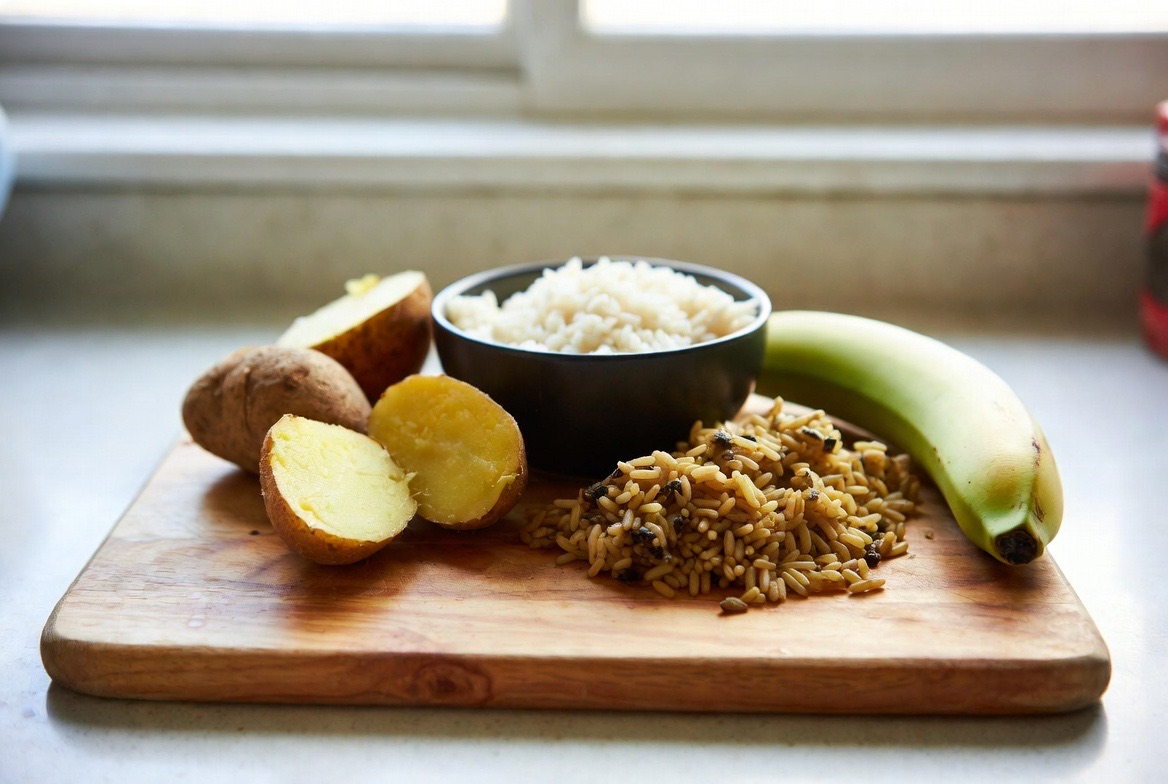
Prebiotics are non-digestible carbohydrates that selectively feed commensal bacteria. The category includes inulin, FOS (fructo- oligosaccharides), GOS (galacto-oligosaccharides), and resistant starches. The downstream products of bacterial fermentation — short-chain fatty acids (SCFAs), particularly butyrate — are the proposed mediator of many of fiber's health effects.
The strongest fiber data is the simplest. Total fiber intake correlates strongly with reduced all-cause mortality, cardiovascular events, and colorectal cancer across long-running cohorts and meta-analyses. Reynolds and colleagues' Lancet meta-analysis is the cleanest summary, with a dose-response signal from roughly 15 g/day to 30+ g/day [Reynolds 2019].
Specific prebiotic supplements have a less clean story. Inulin and FOS reliably move SCFA production and shift Bifidobacterium counts in trials; the clinical outcomes downstream of that shift are less consistent. For most adults the highest-evidence intervention is unglamorous: 30+ g of mixed dietary fiber from real food, not a capsule.
The marketing premise that a specific prebiotic powder will "fix" the microbiome runs ahead of the trial base. The food-first version of the same recommendation is supported by some of the strongest nutritional epidemiology we have.
FODMAPs and IBS — what the elimination diet does
The low-FODMAP (fermentable oligosaccharides, disaccharides, monosaccharides, and polyols) diet, developed at Monash University, is the most evidence-supported dietary intervention for IBS. The trial base is solid: roughly 50–75% of IBS patients experience meaningful symptom reduction during a strict elimination phase [Halmos 2014].
What the diet is not: a long-term eating pattern. Strict low-FODMAP reduces dietary fiber substrate, shifts the microbiome (often in ways that look unfavorable on independent markers), and is difficult to maintain. The published protocol is three phases: elimination, structured reintroduction, and personalized long-term eating that adds back tolerated FODMAPs.
The failure mode in community use is staying in the elimination phase indefinitely. That's a worse long-term diet than most unrestricted Western patterns. Done correctly, low-FODMAP is a diagnostic and titration tool, not a destination.
SIBO — the controversy
SIBO (small intestinal bacterial overgrowth) describes excessive or inappropriate bacteria in the small intestine, traditionally diagnosed by breath testing for hydrogen and methane after a substrate challenge. The condition is real in defined clinical contexts — post-surgical anatomical changes, motility disorders, immunodeficiency. Its application to the much broader population of adults with bloating and discomfort is genuinely contested.
Breath testing has known specificity and sensitivity problems. The diagnostic cutoffs are debated. Treatment with non-absorbable antibiotics (rifaximin) is supported by trials in IBS-D (diarrhea-predominant) and improves symptoms in that population, but the mechanism may not be "killing SIBO" per se [Pimentel 2011].
The honest read: SIBO has become a folk diagnosis for a wide range of GI symptoms whose underlying cause is often something else (visceral hypersensitivity, motility, dietary triggers, anxiety- related autonomic shifts). The label sometimes helps and sometimes substitutes for a more useful workup. A gastroenterologist who treats SIBO as one possibility among several is more useful than one who treats it as the answer.
Leaky gut, zonulin, and intestinal permeability
Intestinal permeability is a real physiologic variable. Tight- junction integrity is regulated in part by zonulin (a protein characterized by Alessio Fasano), and increased permeability has been observed in celiac disease, type 1 diabetes, IBD (inflammatory bowel disease), and other inflammatory conditions [Fasano 2012].
"Leaky gut" as a consumer-facing condition is something else: a catch-all framework that attributes a wide range of symptoms — fatigue, brain fog, autoimmunity, skin issues — to barrier dysfunction, with supplement protocols sold to "heal" it. The leap from "permeability changes in defined diseases" to "permeability causes your fatigue" is not a leap the human trial literature supports.
Where the framework is most useful: as a reminder that the gut barrier is a real, regulated, biologically important structure that responds to chronic alcohol, certain medications, and acute inflammation. Where it's least useful: as a marketing umbrella for glutamine + zinc + collagen stacks sold to consumers without diagnosed conditions.
The gut-brain axis — what's signal, what's hype
The gut-brain axis is a real, bidirectional signaling system involving the vagus nerve, enteric nervous system, microbial metabolites, and immune mediators. Roughly 90% of serotonin is synthesized in the gut, though the framing that "gut serotonin controls mood" is misleading — peripheral and central serotonin pools are largely separate, and the BBB (blood-brain barrier) doesn't readily admit serotonin.
The strongest evidence for psychiatric effects of gut interventions sits with specific psychobiotic strains in defined trials, with modest effect sizes. The "fix your gut, fix your depression" narrative is a useful conversation starter and a poor clinical recommendation. SSRIs and behavioral interventions still out-perform gut-based interventions on depression outcomes by a wide margin [Cryan 2019].
Where the axis is most actionable: in functional GI conditions (IBS, functional dyspepsia) where neuromodulators (tricyclics, SSRIs at low doses) genuinely improve gut symptoms — and where cognitive-behavioral therapy and gut-directed hypnotherapy have replicated trial support.
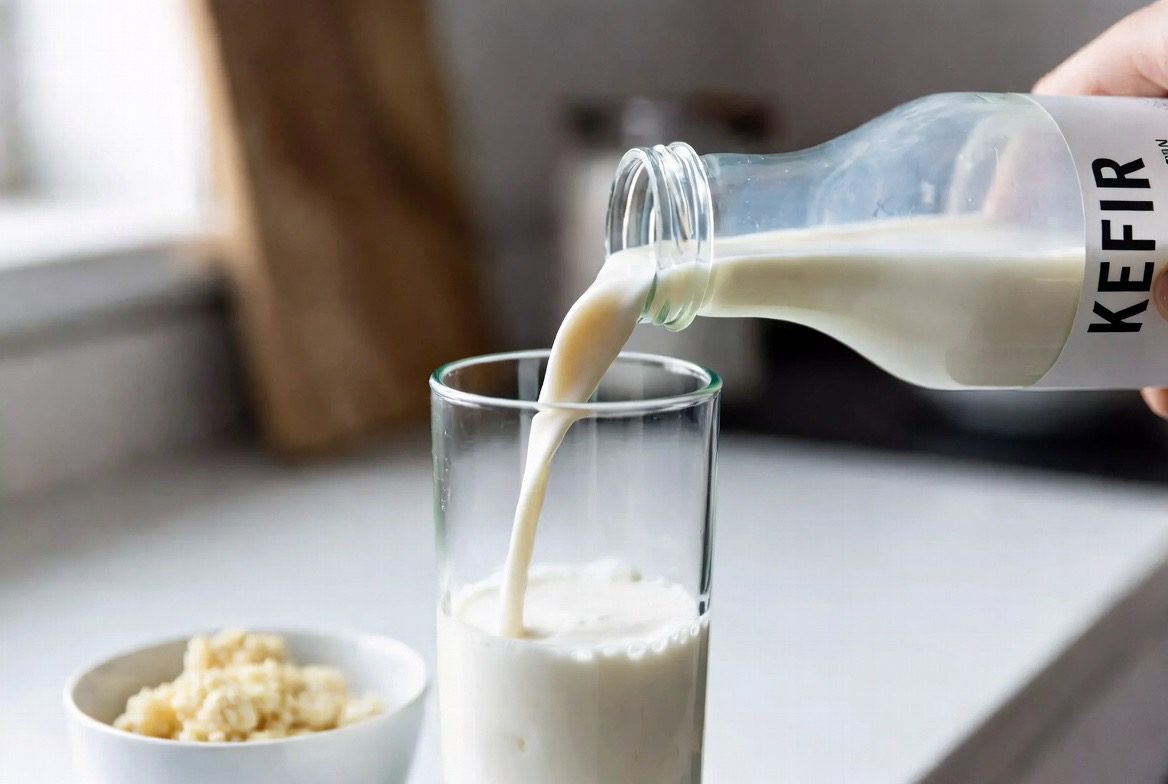
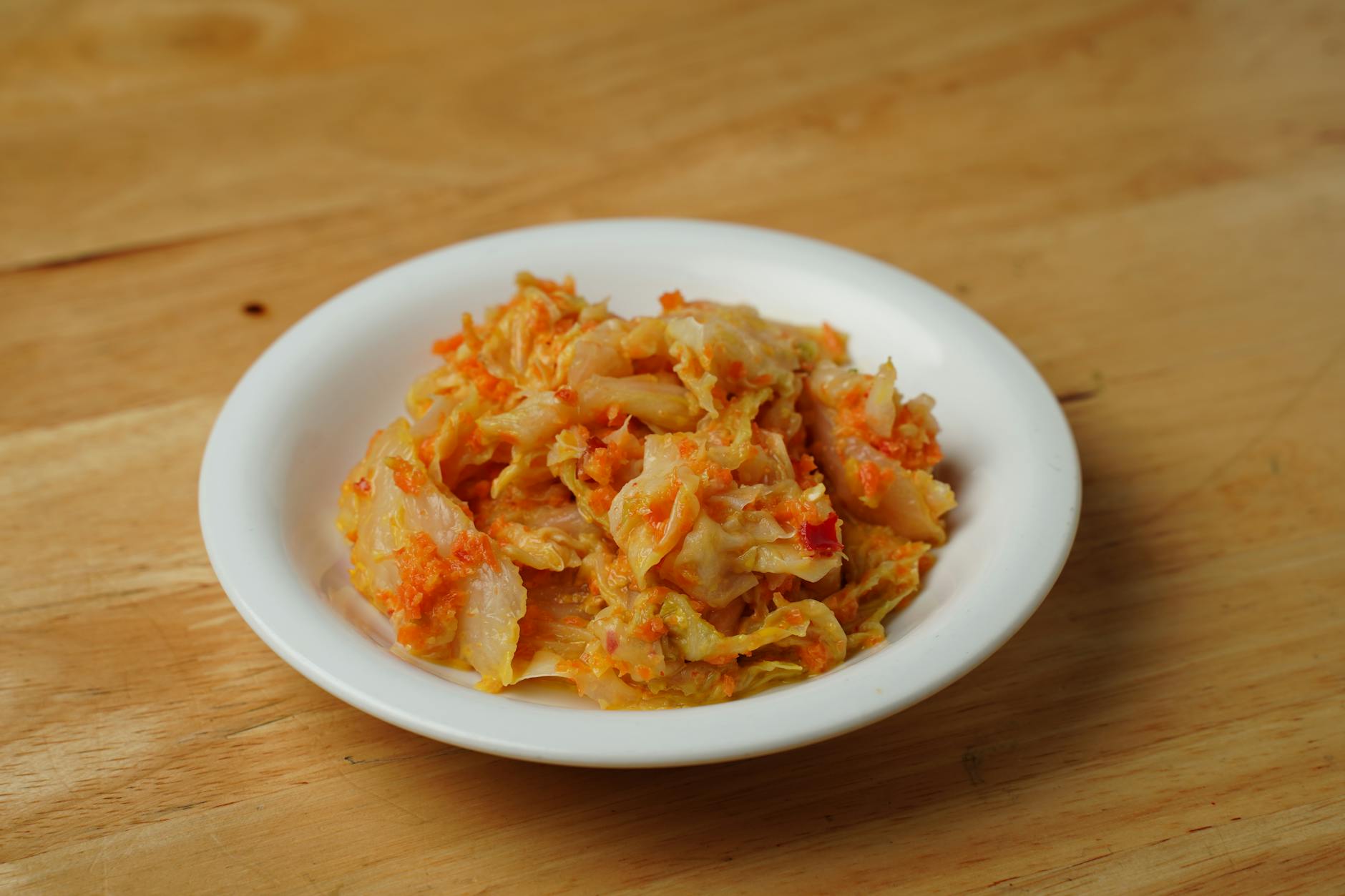
30+ g/day mixed fiber from real food, regular fermented food intake (yogurt, kefir, kimchi, sauerkraut), and a long-enough timeline. This stack covers most of what's replicated in the outcome literature without a single supplement.
For defined conditions (antibiotic-associated diarrhea, certain IBS subtypes, post-infectious gut symptoms), strain-specific probiotics with trial support. Time-limited trials, not chronic "ecosystem" use.
For refractory symptoms: gastroenterology referral, structured low-FODMAP under a dietitian, breath testing where indicated, and consideration of motility/visceral hypersensitivity. This is medical territory, not supplement territory.
Gut health as a consumer category is a maximally noisy space. The interventions with the strongest evidence are unglamorous — fiber, fermented food, time, and clinical workup for persistent symptoms. The interventions with the strongest marketing are mostly mechanism narratives sold ahead of outcome data.
- [Lloyd-Price 2017] Lloyd-Price J, et al. Strains, functions and dynamics in the expanded Human Microbiome Project. Nature. 2017;550(7674):61-66.
- [Hill 2014] Hill C, et al. The International Scientific Association for Probiotics and Prebiotics consensus statement on the scope and appropriate use of the term probiotic. Nat Rev Gastroenterol Hepatol. 2014;11(8):506-514.
- [Reynolds 2019] Reynolds A, et al. Carbohydrate quality and human health: a series of systematic reviews and meta-analyses. Lancet. 2019;393(10170):434-445.
- [Halmos 2014] Halmos EP, et al. A diet low in FODMAPs reduces symptoms of irritable bowel syndrome. Gastroenterology. 2014;146(1):67-75.
- [Pimentel 2011] Pimentel M, et al. Rifaximin therapy for patients with irritable bowel syndrome without constipation. N Engl J Med. 2011;364(1):22-32.
- [Fasano 2012] Fasano A. Intestinal permeability and its regulation by zonulin: diagnostic and therapeutic implications. Clin Gastroenterol Hepatol. 2012;10(10):1096-1100.
- [Cryan 2019] Cryan JF, et al. The microbiota-gut-brain axis. Physiol Rev. 2019;99(4):1877-2013.
- [Suez 2018] Suez J, et al. Post-antibiotic gut mucosal microbiome reconstitution is impaired by probiotics and improved by autologous FMT. Cell. 2018;174(6):1406-1423.