- Caffeine — the most studied performance enhancer
- Creatine — the strongest legal ergogenic
- Beta-alanine, citrulline, beetroot — the pre-workout stack
- Carbohydrate periodization for endurance
- Heat acclimation and altitude — trainable adaptations
- Sleep as the hidden performance variable
- Pre-workout stacks — what the trials actually support
- References
Caffeine — the most studied performance enhancer
Caffeine is the most-studied legal ergogenic aid in human sport science. The acute mechanism is adenosine receptor antagonism, with downstream effects on perceived exertion, motor unit recruitment, and substrate use. The meta-analytic effect is small but real and consistent across endurance, sprint, and strength outcomes.
Doses of 3–6 mg/kg body mass ingested 30–60 minutes before exercise produce the cleanest effect in the trial literature [Grgic 2020]. Below 3 mg/kg the effect attenuates; above 6 mg/kg side effects (tachycardia, gastric distress, anxiety) start to swamp performance benefit. CYP1A2 genotype modulates response magnitude, though the practical implication for most users is smaller than direct-to-consumer genetic testing suggests.
Habituation is a real but partial story. Regular high-dose caffeine users still get a measurable acute boost from a pre-event dose; the effect size is somewhat blunted relative to non-users but is not abolished. Withdrawal effects (headache, energy drop) at clinic doses of 200–400 mg/day are well-documented and worth respecting on rest days.
The honest framing: caffeine is the only supplement on the WADA watch-list that consistently shows up across event types. If you're comparing it against newer "energy" ingredients, the trial base favors caffeine by an order of magnitude.
Creatine — the strongest legal ergogenic
Creatine monohydrate has the largest evidence base of any non-stimulant performance supplement. The mechanism — saturating the phosphocreatine pool to support rapid ATP (adenosine triphosphate) regeneration during short, intense efforts — has been validated repeatedly in muscle biopsy and MRS (magnetic resonance spectroscopy) work since the early 1990s.
Outcomes: a roughly 5–15% improvement in repeated-effort capacity, a small but durable increase in lean mass (largely intracellular water early, with a real protein-accretion component over months), and replicated cognitive effects in sleep-deprived states and in older adults [Kreider 2017]. The dose-response is well-characterized: 3–5 g/day chronically reaches saturation in about three to four weeks; a 20 g/day loading protocol reaches it in a week.
Safety profile in healthy adults is among the cleanest of any sports supplement, with three decades of replicated trial data on renal markers, hepatic enzymes, and cardiac safety [Antonio 2021]. The persistent "creatine harms kidneys" claim is folk lore that the controlled literature unambiguously contradicts.
Form matters less than marketing suggests. Monohydrate is the most-studied and the cheapest. Creatine HCl, ethyl ester, and buffered forms have not demonstrated meaningful superiority in head- to-head trials. The premium forms exist to differentiate SKUs, not because the biochemistry rewards the price.
If you're building a performance stack on evidence rather than on marketing, the order is roughly: train hard, sleep enough, eat enough protein, caffeine, creatine. Almost everything else is a footnote.
Beta-alanine, citrulline, beetroot — the pre-workout stack
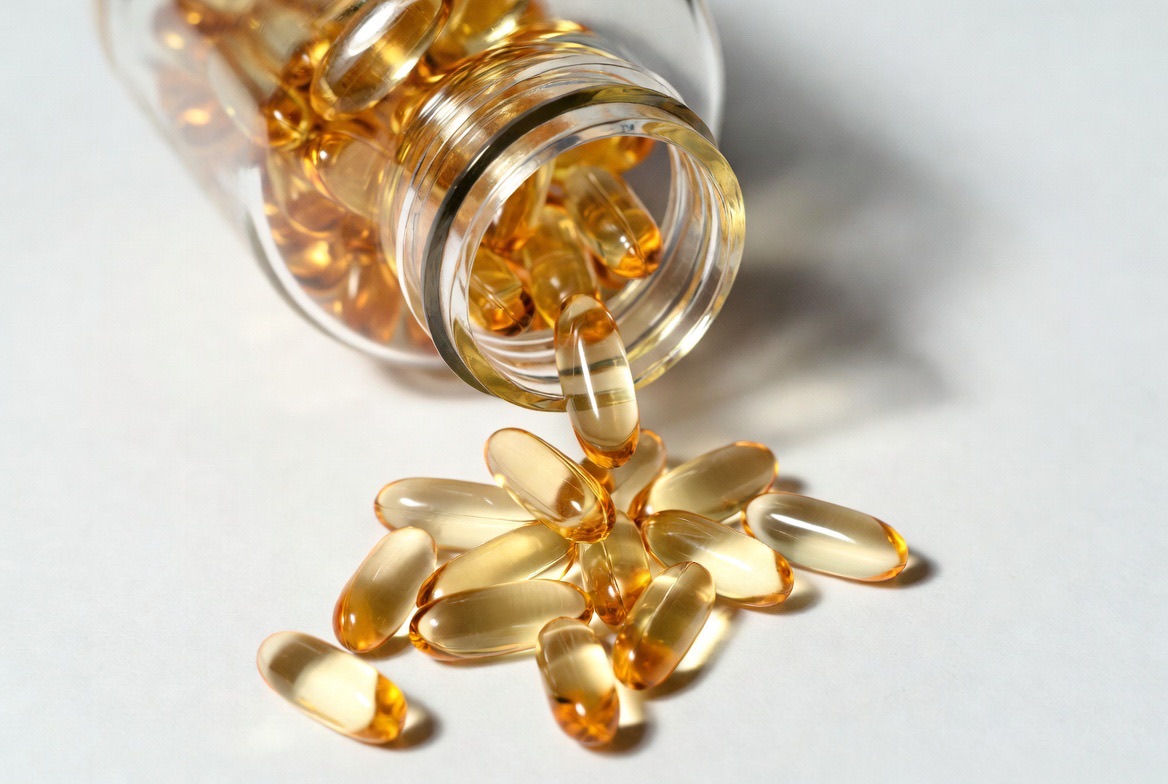
Three ingredients carry actual trial evidence in the pre-workout space. Beta-alanine elevates muscle carnosine, buffering hydrogen ion accumulation during efforts in the 60-second to 4-minute window. The IsSN position stand summarizes the effect as small but replicated, with paresthesia (the harmless tingling) as the chief side effect [Trexler 2015]. Loading is 4–6 g/day for four to twelve weeks.
L-citrulline (and citrulline malate) raises plasma arginine more effectively than arginine itself and improves time-to-exhaustion in several trials, particularly for resistance work and repeated sprints. Doses below 6 g/dose tend to under-deliver in the trial record; the marketing-friendly 1–2 g doses common in pre-workouts likely don't reach therapeutic exposure.
Beetroot juice (nitrate) shows the most consistent ergogenic effect for sub-maximal endurance — improved efficiency at a given submaximal wattage, plus modest time-trial improvements [Domínguez 2017]. The effect attenuates in highly trained athletes, which is a common pattern across nitrate, beta- alanine, and beta-hydroxybutyrate.
The rest of the pre-workout shelf — taurine, citicoline, exotic plant extracts, "nootropic" blends — is mostly mechanism-and- marketing. The trials are small, often unreplicated, or manufacturer-sponsored with selective endpoint reporting.
Carbohydrate periodization for endurance
The high-carb default of 1990s sports nutrition has shifted to a more nuanced "train-low, compete-high" framework supported by contemporary endurance physiology. The idea: some sessions are performed with low muscle glycogen to amplify mitochondrial and fat-oxidation adaptations; key sessions and competitions are carb-loaded to support peak power.
Burke and colleagues' work on race-day carbohydrate availability, and Hawley and Burke on periodized carbohydrate exposure, are the cleanest reads on the framework [Burke 2018]. The adaptations to chronic low-carb (ketogenic) endurance training are real but come at the cost of high-intensity capacity — a trade most competitive endurance athletes do not accept.
For non-competitive athletes, the practical translation is simpler: match carbohydrate intake to training load. High-load weeks tolerate and benefit from higher carbohydrate; deload weeks and rest days don't need them. The mistake most weekend warriors make is eating like a competitive cyclist while training like a recreational one.
Heat acclimation and altitude — the trainable adaptations
Heat acclimation is one of the more under-discussed legal performance interventions. Five to ten days of progressively longer exposure to 35–40°C exercise environments produces measurable plasma volume expansion, lower resting and exercise heart rate, and improved sweat economy — adaptations that transfer measurably to both hot and temperate competition [Lorenzo 2010].
Altitude is more complicated. The "live high, train low" model has the strongest evidence base for sea-level performance improvement, with the magnitude of effect roughly tracking erythropoietic response — and that response varies considerably between individuals. Short trips to altitude tents at home are popular and far weaker than continuous exposure at real altitude.
Sauna use as a heat-acclimation proxy has a more limited evidence base than the social-media coverage suggests. There is signal on cardiovascular endpoints in long-running Finnish cohort data, but the leap from "sauna correlates with reduced cardiovascular mortality" to "sauna replicates altitude training" is not one the trial literature supports. Cold exposure occupies a different part of the stress-adaptation space — AMPK, HSP upregulation, and autophagy are the documented cellular signals, with real implications for how you time cold around training.
Sleep as the hidden performance variable
Sleep loss is the single most underrated performance liability in amateur and professional sport. Trials of acute sleep restriction (4–5 hours for one to three nights) show measurable decrements in sprint performance, time-to-exhaustion, and submaximal endurance economy. Trials of sleep extension (adding 60–120 minutes for several weeks) show modest but real improvements in reaction time and skilled-task accuracy [Mah 2011].
The mechanism is partly hormonal (growth hormone secretion is sleep-locked), partly metabolic, partly central nervous system recovery. The intervention is unglamorous and free, which is why it gets understudied in the supplement-funded research economy.
The honest hierarchy for a recreational athlete: an extra hour of sleep is worth more than any pre-workout ingredient. For most amateur lifters and runners, fixing sleep would do more for performance than every powder on the shelf combined.
Pre-workout stacks — what the trials actually support
Commercial pre-workout blends typically combine caffeine, beta- alanine, citrulline, tyrosine, and a long tail of ingredients with weak or no evidence. The honest read on most of those products is that the caffeine does almost all the acute work; the chronic ingredients (beta-alanine, creatine when included) do almost all the rest; and the marketing layer accounts for the rest of the price.
A defensible evidence-based pre-workout costs roughly $0.50–$1.00 per serving and contains: 200–400 mg caffeine, 3–5 g creatine (chronic, taken at any time of day, not strictly pre-workout), 2–4 g beta-alanine (chronic), and 6–8 g citrulline malate. That stack reproduces the evidence-supported acute and chronic effects of almost every $4-per-serving branded pre-workout.
Two evidence-replicated ingredients, both cheap, both well-tolerated in healthy adults. Caffeine pre-event at 3–6 mg/kg; creatine monohydrate at 3–5 g/day chronic. The vast majority of consumer stacks are these two with packaging.
Layer in beta-alanine (chronic loading) and citrulline (acute, pre-event, at trial-supported doses). Adds modest ceiling on short-effort capacity and resistance volume. Beetroot/nitrate on key endurance sessions.
Add structured carbohydrate periodization, two heat-acclimation blocks per year, and altitude exposure (real, not tent) before key events. This is competitive-athlete territory and produces diminishing returns for general fitness.
The legal performance shelf is shorter than the supplement aisle suggests. Caffeine and creatine carry roughly 80% of the replicated trial effect; a handful of others carry the rest; everything else is mechanism marketed as outcome. Build the training, sleep, and protein base first — the powders are the rounding error.
- [Grgic 2020] Grgic J, et al. Wake up and smell the coffee: caffeine supplementation and exercise performance — an umbrella review of 21 published meta-analyses. Br J Sports Med. 2020;54(11):681-688.
- [Kreider 2017] Kreider RB, et al. International Society of Sports Nutrition position stand: safety and efficacy of creatine supplementation in exercise, sport, and medicine. J Int Soc Sports Nutr. 2017;14:18.
- [Antonio 2021] Antonio J, et al. Common questions and misconceptions about creatine supplementation. J Int Soc Sports Nutr. 2021;18(1):13.
- [Trexler 2015] Trexler ET, et al. ISSN position stand: beta-alanine. J Int Soc Sports Nutr. 2015;12:30.
- [Domínguez 2017] Domínguez R, et al. Effects of beetroot juice supplementation on cardiorespiratory endurance in athletes: a systematic review. Nutrients. 2017;9(1):43.
- [Burke 2018] Burke LM, et al. Toward a common understanding of diet-exercise strategies to manipulate fuel availability for training and competition preparation in endurance sport. Int J Sport Nutr Exerc Metab. 2018;28(5):451-463.
- [Lorenzo 2010] Lorenzo S, et al. Heat acclimation improves exercise performance. J Appl Physiol. 2010;109(4):1140-1147.
- [Mah 2011] Mah CD, et al. The effects of sleep extension on the athletic performance of collegiate basketball players. Sleep. 2011;34(7):943-950.